
Hyaluronic acid, explained: how a water loving molecule keeps skin supple
Hyaluronic acid is found naturally in your skin, joints and eyes. In skincare, it is best known as a humectant, an ingredient that attracts and holds water.
What it does
Hyaluronic acid is often described as able to hold up to 1,000 times its weight in water. On the skin, it helps hold moisture near the surface, which makes skin feel plumper and more supple. It does not add oil. It adds and holds water, which is why it pairs so well with an ingredient that seals water in.
Humectant plus occlusive
This is the idea behind many layered routines: a humectant draws water in, and an occlusive such as shea butter sits on top to slow it from escaping. Using both gives you the pull and the seal together.
Why “oil dispersible”?
Regular hyaluronic acid is water-based, so it does not mix easily into a butter or oil. Oil dispersible forms are made so that they can be blended into oil based products without needing water. That is how it ends up in a whipped body butter that contains no added water.
How to get the most from it
- Apply your body butter to slightly damp skin after a shower. A humectant works best when there is some water nearby to hold on to.
- Use it consistently. Hydration is about daily habits more than a single application.
- Keep indoor air from getting too dry, since low humidity pulls water out of the skin.
Is it for everyone?
Hyaluronic acid is generally well tolerated, and it is a common ingredient for dry and sensitive skin. As with any new product, test a small patch first if your skin is reactive.
Make it part of tonight's routine.
Whipped body butter with shea, passionflower-infused jojoba and hyaluronic acid.
Shop the body butter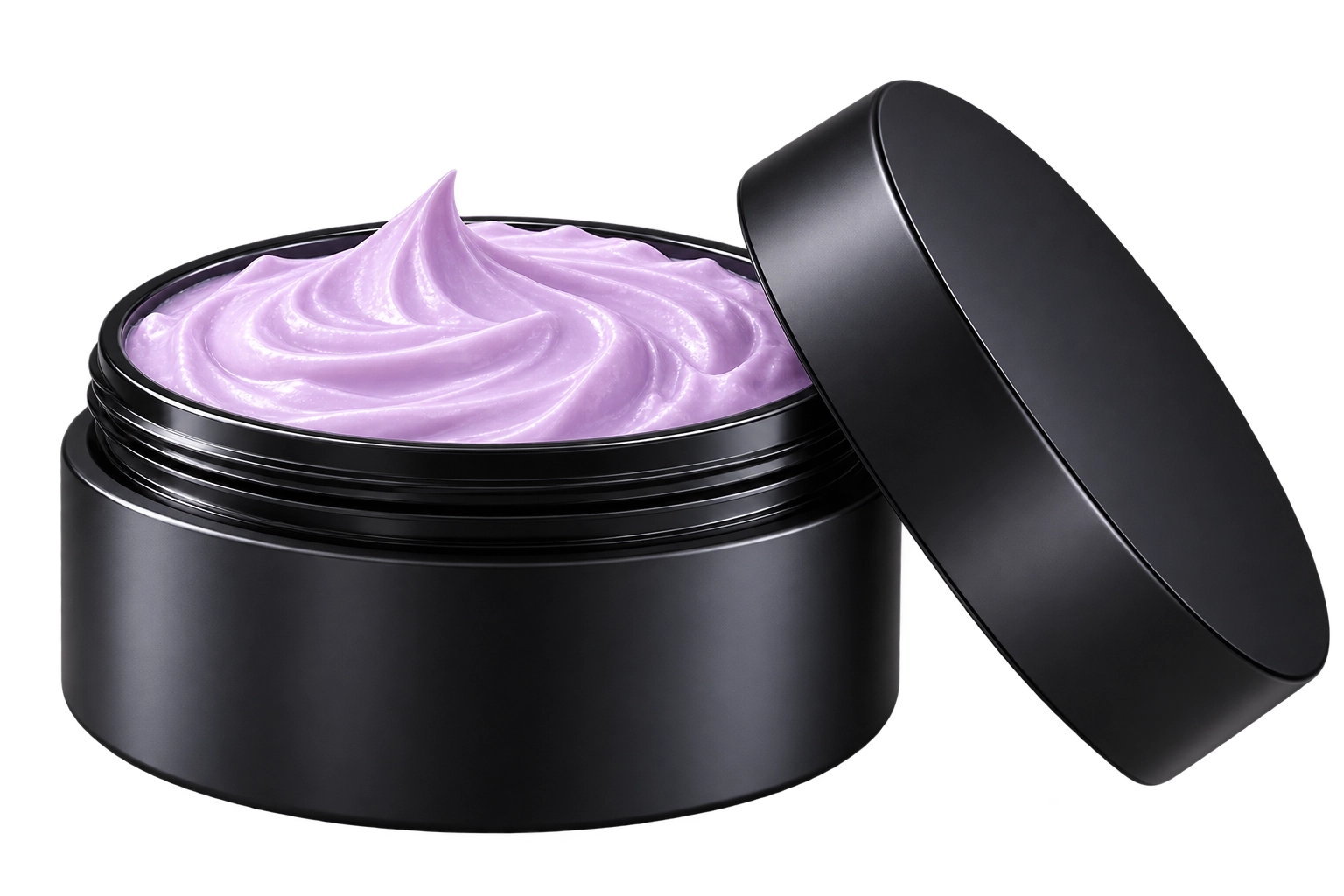
 Ingredient Benefits
 Shea butter: the barrier supporting classic
It has been used on skin for generations. Here is what shea butter is, how it works, and why it is the base of our whipped body butter. Ingredient Benefits