
Shea butter: the barrier supporting classic
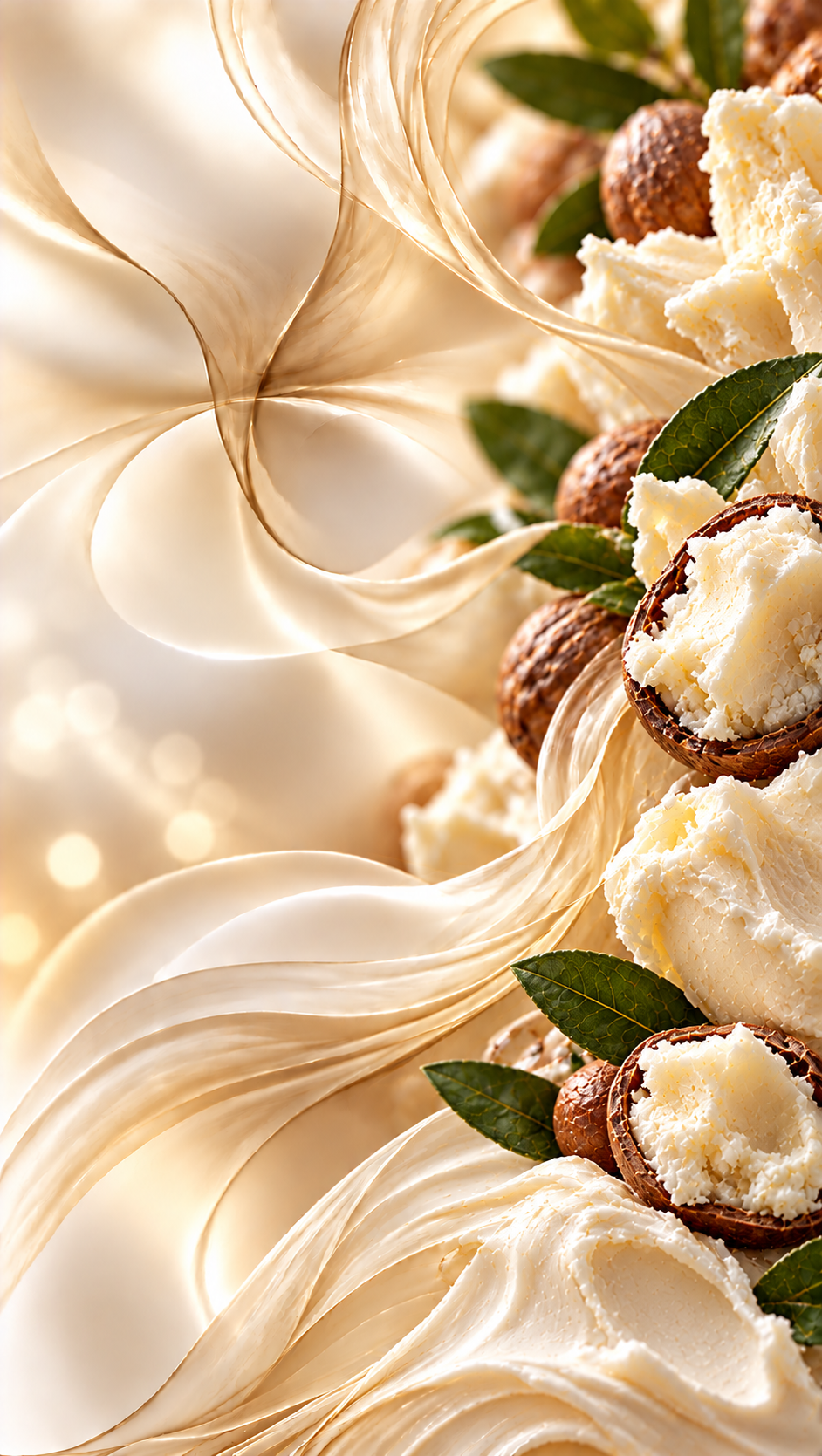
Shea butter is one of the most trusted ingredients in body care, and for good reason. It is simple, rich and does a job very well: it helps keep moisture in.
Where it comes from
Shea butter is pressed from the nuts of the shea tree, which grows across the savanna regions of West and East Africa. For generations it has been used on skin and hair, and it remains a staple of both traditional and modern formulas. On an ingredient list you will usually see it as Butyrospermum parkii, or Shea Butter.
What makes it work
Shea is rich in fatty acids, such as oleic and stearic acid, along with natural plant compounds. This makes it an emollient and an occlusive ingredient. In plain terms:
- It softens. Emollients smooth the rough feel of dry skin by filling in the gaps between skin cells.
- It seals. Occlusives form a light protective layer on the surface that slows water from evaporating, which supports the skin barrier.
Why it suits nighttime
Skin tends to lose more water through its surface in the evening and overnight. A butter that sits on the surface and slows that loss is a sensible match for a bedtime routine. Shea also melts at close to body temperature, so it glides on easily and warms into the skin instead of sitting stiff.
Why we whip it
Pure shea can be dense and firm. Whipping it incorporates air and gives it a soft, light texture that is easier to spread and feels less heavy. You still get the richness of the butter, with a feel closer to a mousse.
What to look for
When you choose any shea product, look for unrefined shea that is responsibly sourced, and a short ingredient list so you know what else is in the jar. If you have a tree nut allergy, check with your doctor first, as shea comes from a nut.
Make it part of tonight's routine.
Whipped body butter with shea, passionflower-infused jojoba and hyaluronic acid.
Shop the body butter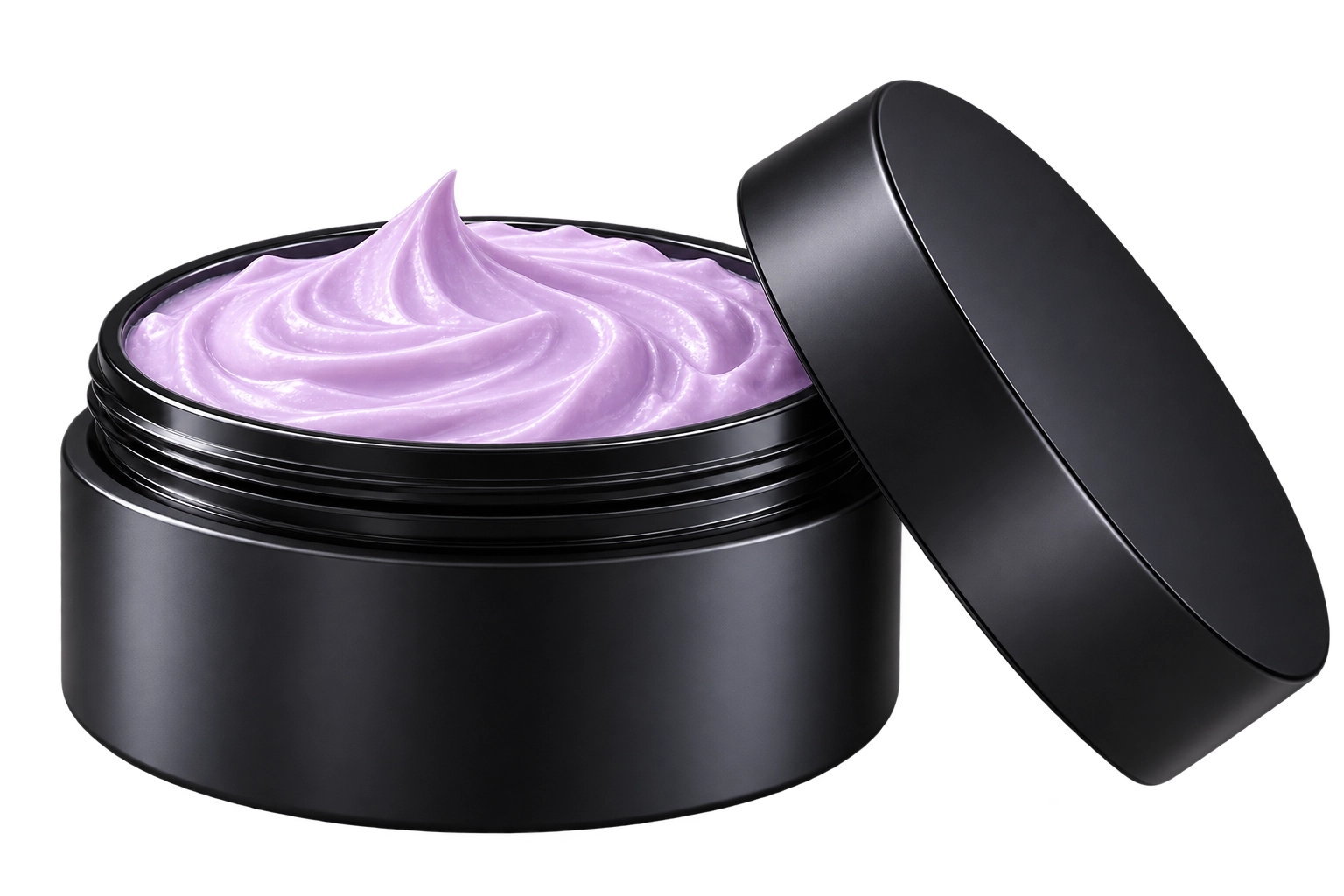
 Ingredient Benefits
 Passionflower, chamomile and calendula: why we infuse our jojoba
A look at the three flowers steeped into the jojoba oil in our body butter, what they are known for, and what the science does and does not say. Ingredient Benefits