What happens to your skin while you sleep
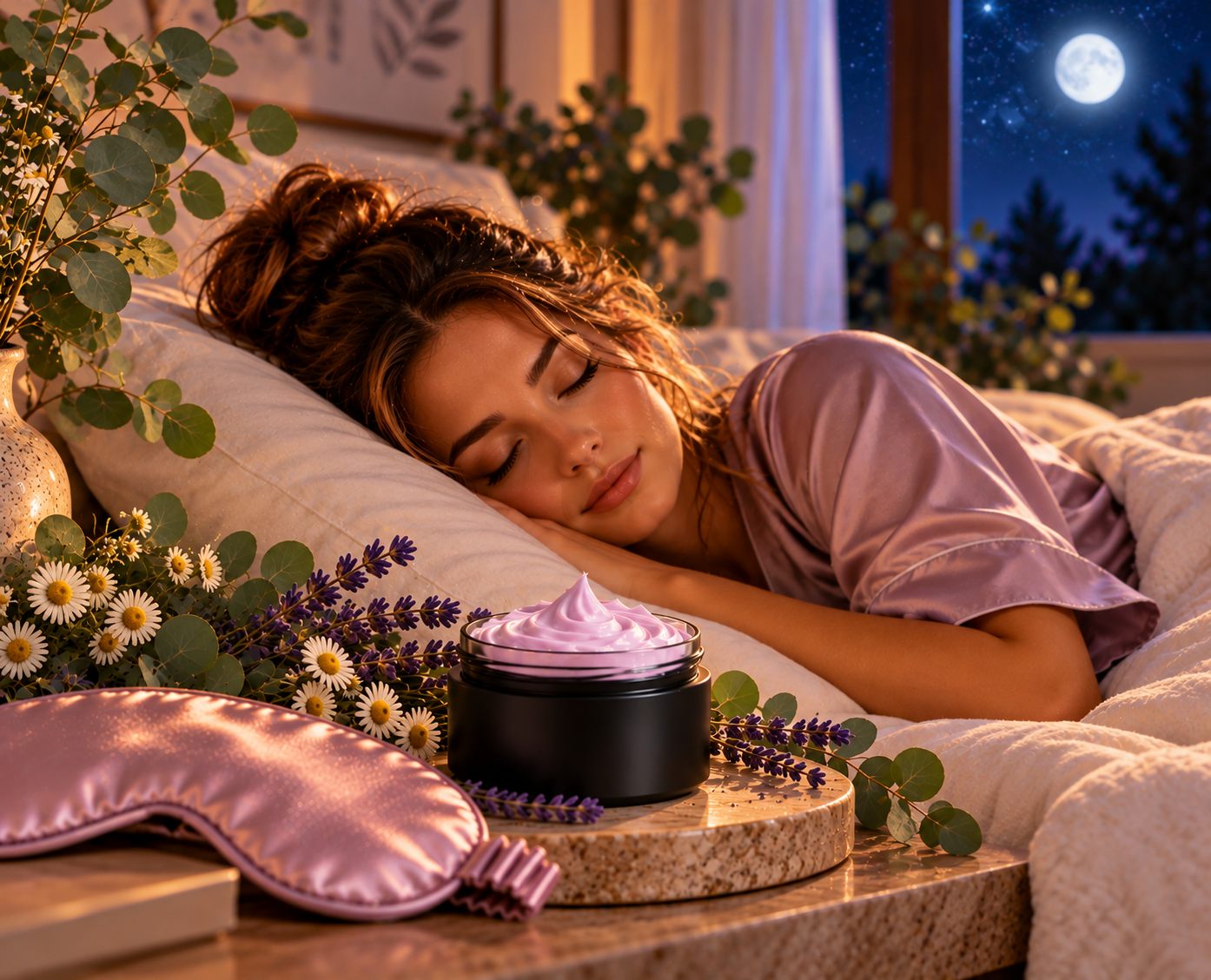
Skin, like the rest of the body, follows a daily rhythm. Many of its repair and renewal processes seem to be more active at night, which is one reason a bedtime routine is a good place to focus your care.
Your skin keeps a body clock
Skin cells have their own circadian rhythms, working on roughly a 24 hour cycle. Studies suggest that during the day skin focuses on protection from sun, pollution and other stressors, while at night it shifts toward repair and renewal.
Water loss rises in the evening
Water escapes through the skin’s surface all day, and this tends to be higher in the evening and during the night. That is why skin can feel drier by morning. Applying a moisturizer or butter before bed helps slow that loss while you sleep.
Blood flow and temperature
Blood flow to the skin tends to increase in the evening. It is part of how your body releases heat as it prepares for sleep, and it is also why a cool bedroom matters. Staying too warm can make it harder to fall and stay asleep.
What poor sleep can do
Small studies have linked poor sleep to slower recovery of the skin barrier and more visible signs of tiredness, such as dullness and under eye shadows. These findings do not mean one bad night will change your skin, but over time, consistent sleep is one of the simplest ways to support how you look and feel.
How to support your skin overnight
- Cleanse gently so you are not sleeping in the day’s build up.
- Moisturize before bed, ideally on slightly damp skin.
- Keep your room cool and your sheets clean.
- Aim for a regular bedtime and wake time.
Skin science is still developing, and results vary from person to person. Treat this as a guide to good habits, not a promise of specific results.
Make it part of tonight's routine.
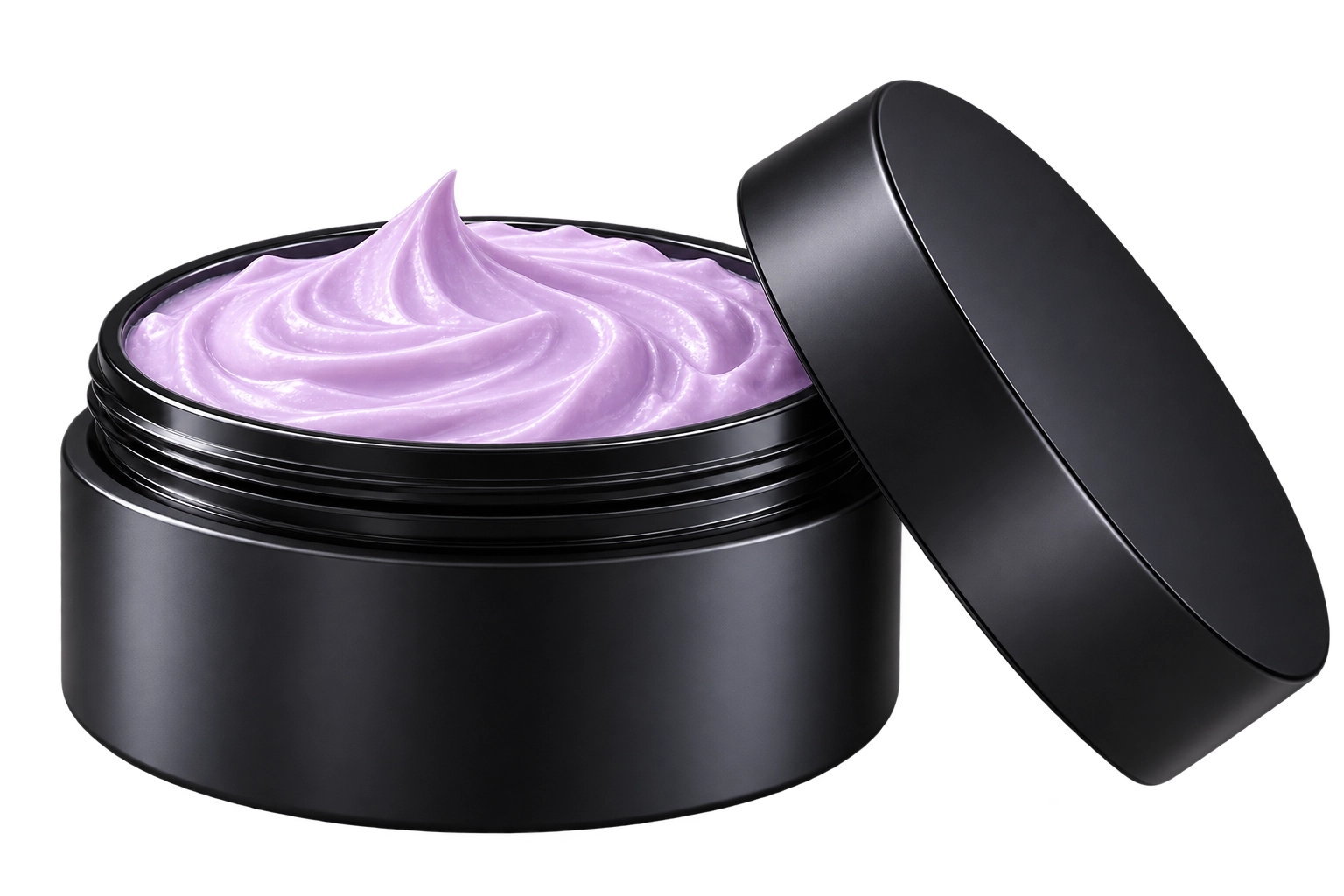
Whipped body butter with shea, passionflower-infused jojoba and hyaluronic acid.
Shop the body butter